CrowdSec Locked Me Out of My Own Server
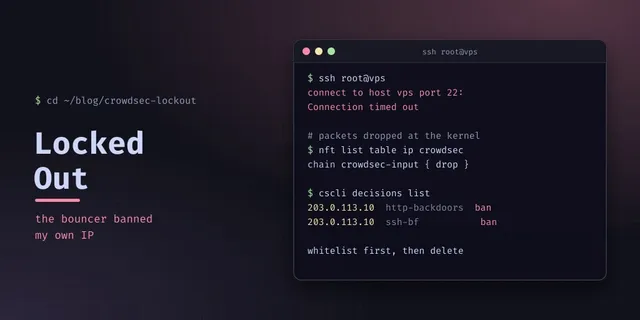
A post-mortem: how an intrusion-prevention system banned my homelab IP and removed all access at once, how I got back in, and the two-layer whitelist that stops it happening again.
total 8 posts
A post-mortem: how an intrusion-prevention system banned my homelab IP and removed all access at once, how I got back in, and the two-layer whitelist that stops it happening again.
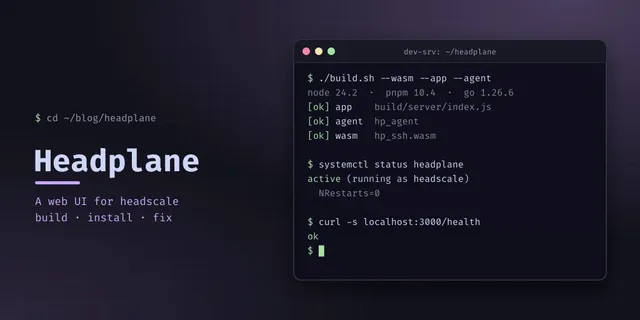
Building and running Headplane against a self-hosted Headscale control server — the requirements the docs get wrong, and the two permissions traps that keep it in a crash loop.
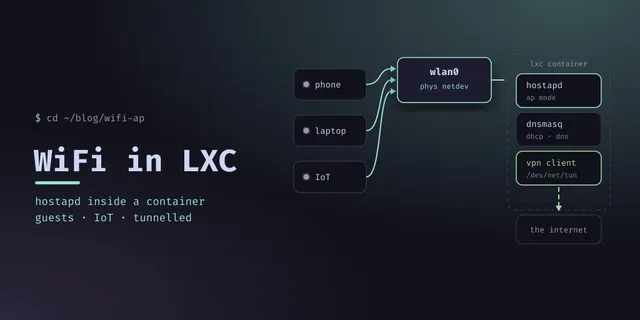
Passing a physical WiFi card into a Proxmox container to run hostapd, with dnsmasq for DHCP, network-level ad blocking, and per-client notifications.
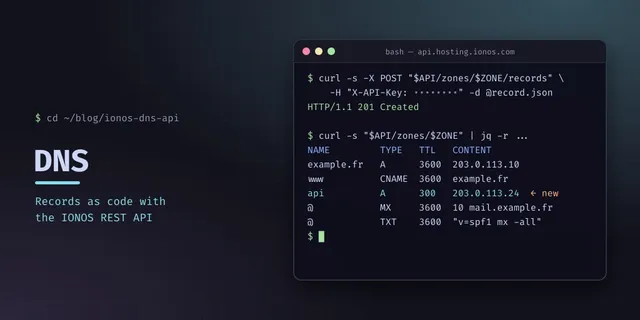
How to automate DNS record management for your domains using the IONOS REST API — listing zones, adding and deleting records with curl and Python.
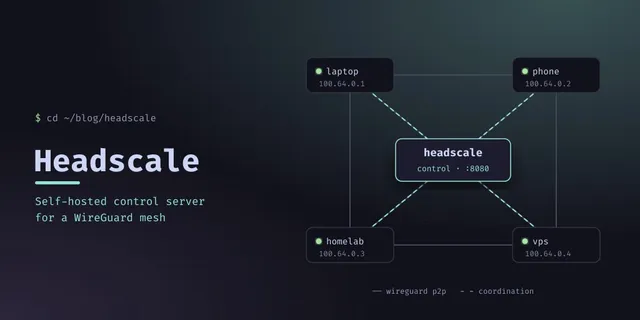
Setting up a self-hosted Tailscale control server with Headscale to securely access your homelab from anywhere.
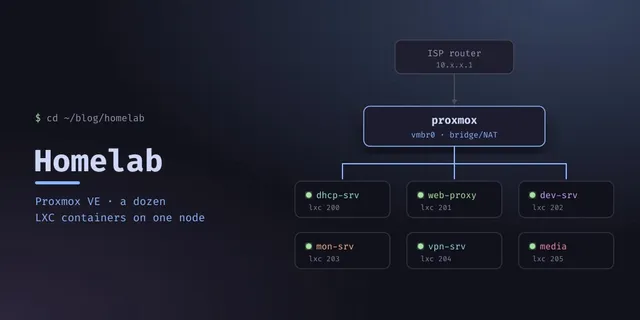
A walkthrough of my self-hosted Proxmox VE homelab — LXC containers, networking, and the services that run my digital infrastructure.
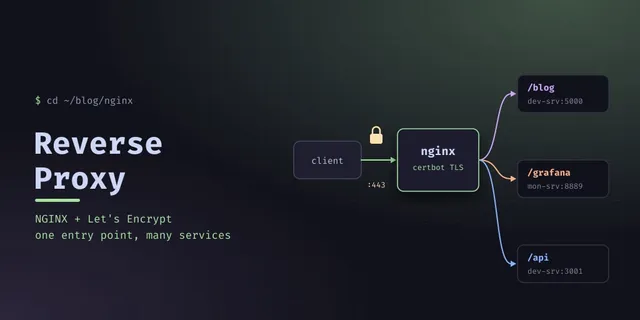
How to use NGINX as a reverse proxy with automatic TLS certificates to expose multiple self-hosted services through a single entry point.
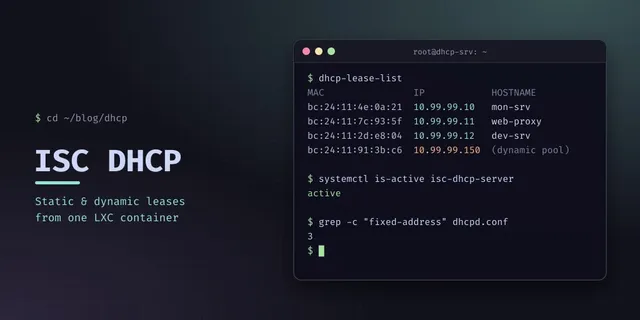
A practical guide to running isc-dhcp-server in an LXC container for static and dynamic IP allocation across your Proxmox VE lab network.